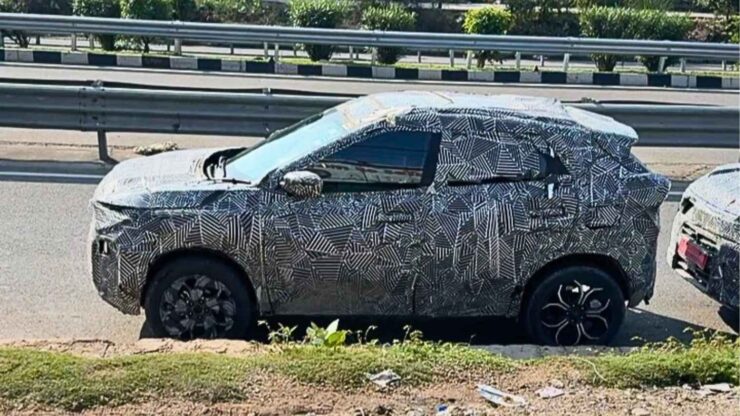
Tata Motors is preparing for a busy product cycle, with a mix of new SUVs, electric vehicles and updates to existing models. The company has already expanded its portfolio with the return of the Sierra, but there is plenty more in the pipeline. While electric SUVs will account for a significant part of this expansion, Tata isn’t overlooking its volume sellers either.
The upcoming line-up will cover several price points, from affordable hatchbacks to premium electric SUVs. Here are four Tata models worth keeping an eye on.
The Safari EV will take Tata’s electric SUV range into three-row territory. It is expected to share its underpinnings and battery technology with the Harrier EV, potentially using 65kWh and 75 kWh battery packs. A dual-motor AWD configuration is also expected on higher variants. The biggest challenge will be packaging the battery without compromising the cabin space and practicality that Safari buyers expect.
It will be Tata’s first three-row electric SUV and is likely to sit at the top of the brand’s mainstream EV portfolio. The Safari EV is expected to compete with the Mahindra XEV 9S, offering buyers a fully electric alternative to large family SUVs. A festive-season launch was part of Tata’s earlier product roadmap, although the final launch schedule and specifications remain subject to confirmation.
Also Read: Honda Explores Rebadged Tata Cars & Access To Its EV Platforms; Report
Avinya represents a different direction for Tata Motors. Rather than being another electric version of an existing ICE model, it is intended to establish a more premium identity for the company. The first production model is expected to be a large electric SUV, drawing inspiration from the Avinya X concept showcased earlier. It will use a dedicated born-electric architecture, although recent reports indicate that Tata is also working with Chery’s Freelander platform for its premium EV programme.
The production vehicle is expected to offer a more sophisticated cabin, advanced technology and faster charging than Tata’s current mainstream EVs. Avinya will also involve a more premium ownership experience, potentially with a separate sales and service approach. Its arrival is expected around 2027, with the first production model likely to be the starting point for a wider premium EV range.
The Nexon is due for a more comprehensive overhaul, with the next-generation model expected to arrive in 2027. Test vehicles have already been spotted, revealing a revised design with a more upright stance and changes to the exterior proportions. The cabin is also expected to receive a substantial update, including a redesigned dashboard, larger digital displays and more technology.
The new Nexon is expected to move to Tata’s newer modular architecture, which is designed to accommodate different powertrain options. Petrol, diesel and CNG versions are likely to continue, while the electric version should receive its own set of updates. Tata has not revealed the engine specifications or battery details yet, but the next-generation Nexon will be an important launch given how much the current model contributes to the company’s sales.
Also Read: Tata Sierra EV Garners 5 Stars In Latest Round Of Bharat NCAP Crash Tests
The electric Nexon is expected to evolve alongside the ICE model, rather than simply receive another cosmetic update. The next-generation version is likely to bring a redesigned exterior, a more modern cabin and improvements to its electric powertrain. Battery capacity, motor output and range figures have not been announced, but better efficiency and improved real-world range will be important areas for Tata to address.
The current Nexon EV has helped establish Tata as a major player in India’s electric car market, but competition has become considerably stronger, with newer offerings from Mahindra, MG and other manufacturers. The next model will therefore need to offer more than a styling refresh. Better charging performance, improved software and a more polished ownership experience could be just as important as the headline range figure.