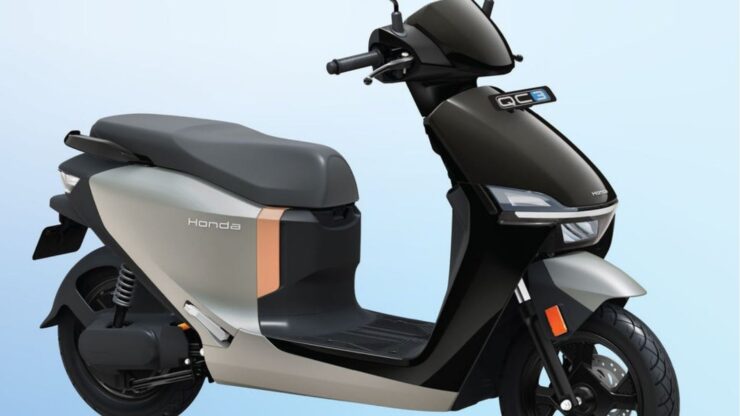
Honda Motorcycle & Scooter India (HMSI) is taking a closer look at the second-hand electric two-wheeler market before deciding how quickly to expand its EV business in India. The company is studying how electric scooters hold their value over time, how battery health affects resale prices and how customers respond when an EV changes hands after its first few years of ownership.
HMSI president, managing director and CEO Tsutsumu Otani expects the company to gain a clearer picture of the market within the next three years. The findings could influence Honda’s future electric two-wheeler strategy, which has so far taken a relatively cautious approach.
One of Honda’s main concerns is the residual value of electric two-wheelers. Unlike conventional petrol scooters, EVs introduce questions about battery degradation, replacement costs and the vehicle’s remaining useful life. Indian buyers often expect to keep their motorcycles and scooters for more than a decade. Honda believes understanding whether customers keep using an electric scooter, replace its battery, or switch to another vehicle as the battery ages will be key to the segment’s long-term growth.
Also Read: Honda 2W Plans Multiple New Launches, Focusses On Production & Export
The company is also examining how to measure battery condition reliably. Otani drew a comparison with smartphones, which offer battery-health indicators to help users assess the condition of their devices. A similar way of evaluating battery health could help used-EV buyers make more informed decisions. A transparent battery-health assessment could also help establish more predictable resale values, making electric two-wheelers easier to buy and sell in the pre-owned market.
Honda sees different requirements among private buyers and commercial users. For delivery operators and other business-to-business customers, battery swapping can reduce downtime because riders do not have to wait for a battery to recharge. Private buyers, meanwhile, could benefit from battery subscription models. Under such an arrangement, the battery remains the service provider’s asset, potentially reducing the buyer’s exposure to battery replacement costs and depreciation.
Also Read: Top 10 Electric 2W Brands Sep 2026; TVS, Bajaj, Hero, Ather, Ola, Ampere, River
Honda’s assessment does not mean it is stepping away from electric mobility. Instead, the company wants to understand customer expectations and ownership costs before committing to a larger push. The company has introduced the Activa e:, QC1 and QC3 in India, but its electric two-wheeler presence remains small compared with established players. The QC3 was launched in September 2026 at Rs 1.35 lakh (ex-showroom), with its initial rollout covering five cities. Honda has also indicated that more electric products are under consideration, though it has not disclosed their names or launch timelines.